When considering 3D scanning technology for industrial applications, the term "industrial-grade" is often thrown around, but what does it really mean? For industries such as automotive, aerospace, and manufacturing, durability, precision, and reliability are not just desirable features—they are essential. An industrial-grade 3D scanner needs to endure harsh environments, deliver accurate measurements in real-time, and integrate seamlessly into complex production workflows. ZG Technology, a leader in metrology-grade 3D scanning solutions, specializes in providing cutting-edge durable 3D scanners that cater to these exacting requirements. This article will dive into the features that distinguish industrial-grade scanners from their general-use counterparts and why these features matter in demanding industrial environments.
Defining Industrial-Grade 3D Scanners
To understand what makes a 3D scanner truly "industrial-grade," it's important to first establish how it differs from a general-use or portable scanner. While portable 3D scanners offer flexibility and convenience for tasks like rapid prototyping and reverse engineering, industrial-grade 3D scanners are built specifically for the rigorous demands of high-volume, high-precision manufacturing.
An industrial-grade 3D scanner is designed to operate in environments where factors like dust, vibrations, and temperature fluctuations are common. These scanners are robust and reliable, capable of withstanding physical impacts, harsh conditions, and continuous use without compromising accuracy or performance. They are engineered for high-volume production environments where failure is not an option, and consistency is critical.
Essential Features of Durable 3D Scanners
The design and capabilities of a durable 3D scanner are what make it an ideal choice for industrial applications. Below are the key features that define its robustness and reliability.
Rugged Design and Environmental Protection
Industrial environments can be tough on equipment. From factory floors filled with dust to heavy machinery causing vibrations, the conditions are far from ideal for sensitive electronics. A durable 3D scanner is designed with rugged housing and features such as IP ratings (Ingress Protection) that ensure the device is protected from dust, water, and other environmental contaminants. These scanners are also shock-resistant and designed to handle mechanical stresses caused by vibration or sudden impacts, ensuring that they maintain their functionality even in tough settings.
Precision and Stability Over Time
In industrial applications, stability and precision must remain constant over time. A high-quality industrial-grade 3D scanner offers long-term reliability and delivers consistent measurements even after prolonged use. Whether you're scanning heavy machinery parts, automotive components, or large-scale infrastructure, the scanner should provide reliable results across multiple scans, ensuring that measurements don’t deviate as the device undergoes regular use.
The calibration and maintenance of industrial-grade scanners are streamlined, ensuring that they maintain accuracy without significant downtime. The scanner’s design allows for easy re-calibration in harsh environments, and its software ensures that calibration remains stable for extended periods.
Robust Hardware and Software Support
For a 3D scanner to perform well in industrial settings, it requires robust hardware and software support. The scanner itself must be able to capture and process large amounts of data quickly and efficiently. ZG Technology’s industrial-grade 3D scanners, for example, come equipped with advanced sensors and powerful software that can handle data-intensive scans, whether it's for small components or large objects.
The software used with industrial-grade 3D scanners is equally important. It must be capable of processing complex data with high speed and accuracy, allowing for detailed analysis of the scanned objects. This includes the ability to manage large files, automatically align scanned data, and provide instant feedback on measurements for quality control.
Easy Calibration and On-Site Maintenance
The ability to easily calibrate and maintain a durable 3D scanner is another critical feature for industrial use. 3D scanning can require frequent recalibration due to changes in temperature, humidity, or other factors on the production floor. Industrial-grade 3D scanners are designed for quick and straightforward calibration, ensuring that operators can make adjustments on-site without needing to return the equipment to a service center.
Moreover, regular on-site maintenance is key to maintaining the performance of a 3D scanner. A scanner that is difficult to maintain or requires extensive downtime for repairs can severely impact the efficiency of production. Therefore, an industrial-grade 3D scanner must be easy to repair and keep running at peak performance even in challenging conditions.
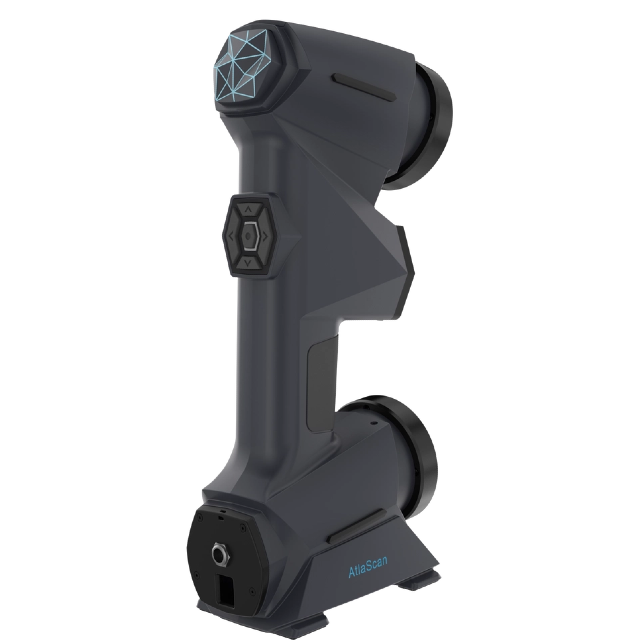
Performance Under Harsh Conditions
Industrial applications require 3D scanners that can perform accurately even in extreme environments. Whether it's a factory floor, heavy machinery workshop, or outdoor construction site, industrial-grade 3D scanners are designed to withstand the rigors of demanding working conditions.
Factory Floor and Heavy Industrial Lines
On a factory floor, environmental factors like dust, humidity, and vibrations can compromise the functionality of delicate equipment. Durable 3D scanners are designed to resist these factors and deliver reliable performance in such conditions. For instance, ZG Technology’s scanners are built to operate in environments with high ambient temperatures or dusty atmospheres, making them ideal for scanning parts in industries like automotive manufacturing, aerospace, and construction.
Additionally, industrial-grade scanners must be able to handle continuous scanning and data processing in high-volume production environments without overheating or degrading in performance. This makes them perfect for industries that require frequent, high-precision scanning, such as mold testing in automotive manufacturing or quality control in aerospace.
Ensuring Stability and Accuracy in Field Applications
Field applications, such as site inspections or maintenance operations, can present challenges that factory environments do not. Industrial environments in the field often require tools that are both portable and rugged. A durable 3D scanner must be lightweight enough to be transported easily, while still being able to withstand the stresses of field operations.
Furthermore, accuracy must not be compromised in these field environments. Whether it’s scanning large construction components or heavy machinery parts, the scanner must provide micron-level precision to ensure that all parts are within the required specifications.
Integration with Industrial Production Systems
An industrial-grade 3D scanner needs to integrate seamlessly with existing production systems. This includes compatibility with ERP (Enterprise Resource Planning), PLM (Product Lifecycle Management) systems, and automation platforms. By integrating with these systems, a durable 3D scanner can streamline the quality control process, allowing for real-time monitoring of product specifications during production.
Additionally, industrial-grade 3D scanners are designed to support real-time monitoring and network transmission, making it possible to immediately send scanned data to a central database for analysis. This integration ensures that issues are caught early, reducing errors and increasing overall efficiency in production.
The ability to communicate with other systems, whether through Wi-Fi or Bluetooth, ensures that the 3D scanner is not only an isolated tool but part of a larger quality control and manufacturing ecosystem. This is critical for industries where precision and timing are essential.
Advantages Over Non-Industrial Scanners
Industrial-grade 3D scanners have a distinct edge over general-purpose or portable scanners, especially when used in high-demand applications. Here are some of the advantages:
Enhanced Production Efficiency
By providing faster scanning times and higher accuracy, industrial-grade 3D scanners help streamline the production process. Unlike non-industrial scanners, which may struggle with complex geometries or high volumes of scans, industrial scanners are built to handle demanding tasks without compromising quality or efficiency.
Increased Usability and Long-Term Cost Savings
While industrial-grade 3D scanners may have a higher upfront cost than non-industrial alternatives, their long-term value is unparalleled. The ability to operate reliably over time, combined with features like easy calibration and low maintenance requirements, ensures that these scanners provide substantial cost savings over their lifetime. This is especially important for companies that rely on continuous production cycles.
Real-World Use Cases
Numerous industries have seen significant improvements by incorporating industrial-grade 3D scanning into their workflows. For example, in the automotive industry, manufacturers use 3D scanners to ensure that parts and components meet stringent tolerances. In aerospace, ZG Technology’s scanners are used for verifying the precision of critical components, where even a tiny error can have catastrophic consequences.
Conclusion
The industrial-grade 3D scanner is an essential tool for businesses that need precision, durability, and reliability in their manufacturing and quality control processes. These scanners are designed to thrive in the harshest environments, providing consistent, accurate measurements over extended periods. Whether used in automotive, aerospace, or construction, durable 3D scanners enable businesses to improve production efficiency, reduce costs, and ensure the highest standards of quality.
For more information on how ZG Technology’s industrial-grade 3D scanners can help optimize your operations, contact us today. Let us provide you with the cutting-edge technology your business needs to stay ahead of the competition.
FAQ
What makes a 3D scanner "industrial-grade"?
An industrial-grade 3D scanner is built to endure harsh environments, offering durability, precision, and reliability in demanding industrial applications.
How do industrial-grade 3D scanners differ from portable ones?
Industrial-grade scanners are designed for high-volume, continuous use in challenging environments, whereas portable scanners are more suited for light or temporary scanning tasks.
What industries benefit most from industrial-grade 3D scanners?
Industries such as automotive, aerospace, construction, and manufacturing benefit greatly from the durability and precision offered by industrial-grade 3D scanners.
Are industrial-grade 3D scanners easy to maintain?
Yes, industrial-grade scanners are designed for easy calibration and minimal maintenance, ensuring that they can operate in demanding conditions with minimal downtime.


