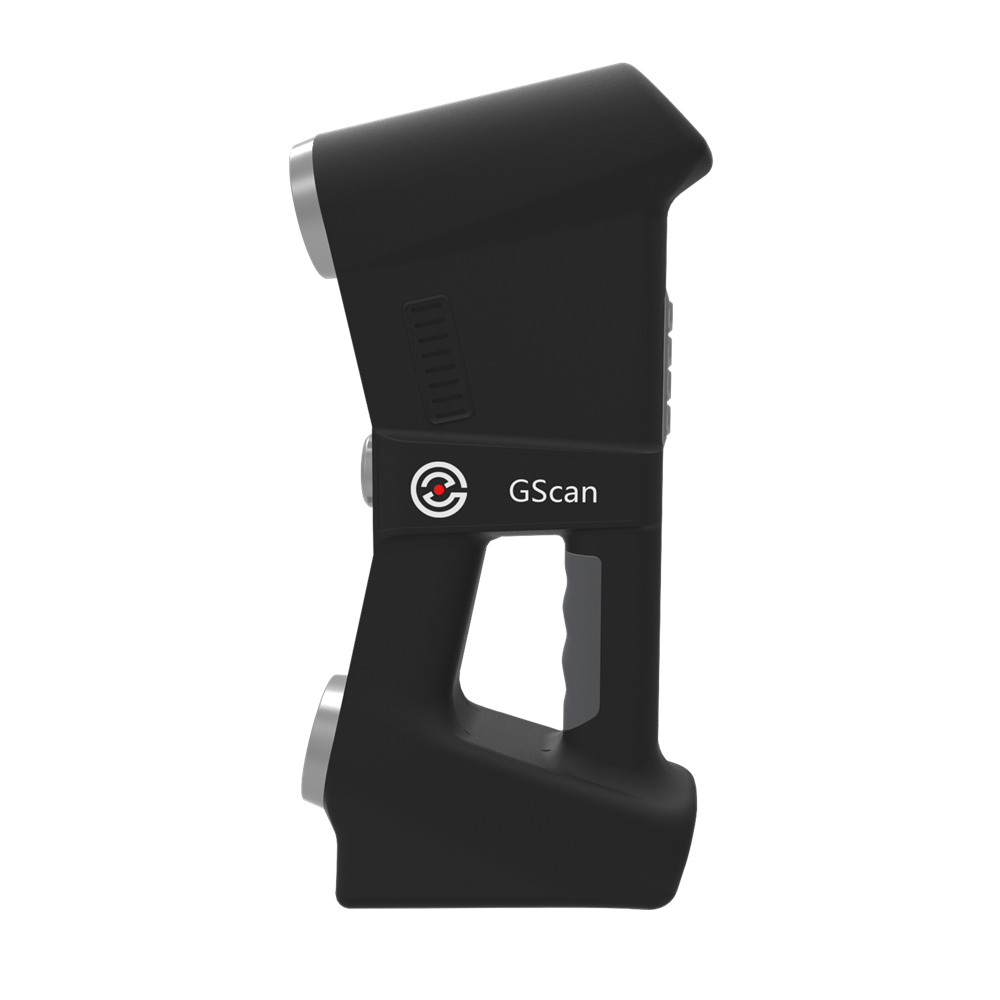
Digitizing physical assets in highly regulated fields presents a unique challenge. You must carefully balance sub-millimeter geometric accuracy against incredibly strict safety protocols. Traditional laser scanners deliver high resolution. However, they frequently fail at true-color capture. They also pose serious radiation risks to human eyes and delicate artifact pigments. Conversely, standard photogrammetry struggles to provide reliable geometric precision. Medical compliance protocols require strict dimensional accuracy. We created this guide to break down how structured white light technology resolves this core conflict. You will discover exactly how this approach bridges the gap between precise measurement and photorealistic texture capture. We offer an objective, decision-stage analysis for institutional users. You can evaluate safe, non-destructive digitization methods effectively. By understanding these capabilities, you can implement robust workflows. They will protect your valuable subjects and secure your vital data simultaneously.
Key Takeaways
Structured white light technology offers a 100% non-contact, eye-safe, and pigment-safe alternative to laser scanning.
Full-color capture eliminates the need for secondary texture mapping, accelerating workflows in both orthotics manufacturing and museum archiving.
Implementation requires assessing environmental lighting control and managing large point-cloud data files.
The technology is best suited for applications demanding simultaneous high-resolution geometry and verifiable color fidelity.
The Business Case: Why Structured White Light for High-Stakes Environments?
Safety and Non-Destructive Operation
You must understand the fundamental difference between laser and structured white light technologies. Laser scanners emit concentrated beams. These beams map physical surfaces rapidly. Unfortunately, they introduce measurable risks. Lasers can damage human retinas during facial scanning. They also emit thermal energy. This energy degrades centuries-old pigments on historical artifacts. Structured white light scanners project a harmless optical grid instead. The device measures how the grid deforms over physical objects. This method ensures absolute eye safety. Eye safety is critical for medical patient scanning. It also guarantees zero UV and thermal degradation. Museum conservators require this protection for fragile textiles and ancient paintings.
The "True Color" Advantage
Traditional workflows often combine a monochrome laser scanner and a DSLR camera. Operators scan the geometry first. They take high-resolution photos next. Finally, they map the 2D images onto the 3D mesh. This dual-device workflow frequently causes severe alignment errors. It wastes valuable processing hours. Structured white light technology captures synchronous geometry and RGB texture. The scanner records physical depth and color data simultaneously. This concurrent capture prevents texture misalignment entirely. You achieve a highly accurate, photorealistic digital model instantly. It streamlines the downstream processing phase significantly.
Limitations to Acknowledge
Every technology possesses inherent limitations. White light struggles under specific material conditions. It relies on optical pattern projection. Therefore, highly reflective surfaces scatter the projected grid. Translucent materials absorb the light pattern. Pitch-black surfaces absorb the illumination completely. Operators typically use scanning spray to dull these challenging surfaces. However, institutions prohibit scanning spray in cultural heritage applications. Spray leaves harmful chemical residues on priceless artifacts. You must implement specific ambient light controls to overcome these limitations. Dimming overhead lights and avoiding direct sunlight improves optical tracking. These environmental adjustments ensure reliable, high-quality data capture.
Technology Comparison Chart
Feature
Laser Scanning
Photogrammetry
Structured White Light
Eye Safety
Low to Moderate Risk
Completely Safe
Completely Safe
Color Fidelity
Poor (often monochrome)
Excellent
Excellent (Synchronous)
Geometric Accuracy
Sub-millimeter
Variable / Unreliable
Sub-millimeter
Material Safety
Risk of thermal/UV damage
Safe (flash dependent)
Zero UV/Thermal risk
Evaluating the GScan White Light Full Color 3D Scanner for Medical & Cultural Conservation
You must define your usable resolution threshold carefully. Scanner point distance dictates the density of your final 3D mesh. A smaller point distance yields higher resolution. However, excessive resolution creates unmanageable data files. You need actionable data. The GScan translates tight point distance into highly practical detail. For museum archivists, it captures individual brush strokes on a Renaissance canvas. It records the exact depth of tool marks on a wooden sculpture. For clinical technicians, it captures precise anatomical topography. This resolution maps subtle skin folds. You need these exact measurements for comfortable prosthetic limb sockets.
Color Fidelity Metrics
Accurate color reproduction is mandatory for academic documentation and clinical assessments. Ambient light interference ruins color fidelity easily. Bright surgical lights or shifting gallery sunlight wash out textures. The scanner utilizes advanced sensors to manage this ambient light interference. It maintains strict color consistency across different scanning sessions. You must look at the texture megapixel count and RGB depth. High megapixel counts ensure sharp texture mapping. Accurate RGB depth prevents color banding. Dermatologists rely on this verifiable color accuracy. They track skin condition changes over time safely. Historians depend on it to analyze faded pigment variations.
Handheld Portability vs. Stability
Ergonomic design impacts data quality directly. Heavy equipment fatigues operators quickly. Operator fatigue causes tracking loss and frame misalignment. Handheld freedom provides massive advantages for in-situ museum captures. You can walk around large statues easily. You can scan immobile patients in hospital beds. However, handheld scanning introduces stability trade-offs. Shaky hands create noisy data. The hardware features intelligent frame-matching algorithms. They compensate for minor human movements seamlessly. Still, you must maintain steady tracking speeds. Smooth, sweeping motions prevent alignment errors. Practice and proper technique maximize the handheld design benefits.
Medical Device Customization: Compliance, Precision, and Patient Safety
Workflow Integration
Transitioning from physical patients to CAD software requires a structured process. Seamless workflow integration prevents manufacturing delays.
Preparation: Position the patient comfortably. Dim intense overhead clinical lights slightly.
Data Capture: Sweep the scanner over the targeted anatomy. The software builds the digital model instantly.
Mesh Processing: The proprietary software automatically cleans the point cloud data. It removes stray noise artifacts.
CAD Export: Export the watertight mesh to specialized medical design software.
Fabrication: Send the customized orthotic or prosthetic design to a 3D printer or CNC mill.
This streamlined process eliminates messy plaster casting entirely. It accelerates the delivery of wearable medical devices.
Patient Experience
Clinical scanning demands a highly sensitive approach. Traditional casting methods cause severe anxiety. Plaster casting is messy, cold, and claustrophobic. It requires patients to remain perfectly still for long periods. Scanning transforms the patient experience dramatically. Structured white light captures complex anatomy in seconds. It uses a non-blinding, flash-free illumination source. This gentle light is completely safe for open eyes. Pediatric patients tolerate this method exceptionally well. Sensitive patients appreciate the physical distance. The 100% non-contact approach eliminates physical discomfort entirely.
Data Integrity & Compliance
Medical manufacturing demands absolute data integrity. Regulatory bodies like the FDA and CE strictly govern custom device production. You cannot manufacture a compliant orthotic from a flawed 3D model. The workflow requires watertight mesh generation. A watertight mesh contains no holes or inverted normals. The scanner produces dimensional accuracy within strict clinical tolerances. Software algorithms verify mesh integrity before export. You maintain a fully documented digital audit trail. This verifiable precision ensures compliance across global manufacturing workflows. It protects your clinic from liability and rework.
Cultural Heritage Preservation: Digitizing Fragile Artifacts Without Risk
The Digital Twin Mandate
Institutions face increasing pressure to digitize their collections. Creating a highly accurate digital twin is now a mandatory practice. Natural disasters, fire, and age threaten physical artifacts constantly. 3D archiving provides an ultimate insurance policy against total loss. A precise digital replica ensures the historical record survives. Academic research benefits immensely from these digital archives. Scholars study micro-details without touching the original object. Furthermore, virtual museum exhibitions rely on photorealistic models. They democratize access to global cultural heritage. Anyone can explore these artifacts online globally.
Handling Vulnerable Materials
Conservators operate under a strict "no-touch" mandate. Physical intervention degrades vulnerable materials rapidly. Skin oils damage ancient textiles. Calipers scratch delicate terracotta surfaces. White light scanning provides a completely hands-off solution. You capture intricate geometries without physical contact. The optical grid reads complex shapes effortlessly. It maps porous bone, brittle ceramics, and oxidized metals safely. As noted earlier, you must avoid scanning sprays entirely. The hardware processes bare materials cleanly. It respects the absolute integrity of the historical object.
Data Portability for Research
Physical artifacts rarely travel well. Shipping ancient pottery involves massive insurance premiums and damage risks. High-fidelity data portability solves this research bottleneck. The scanner exports universal formats like OBJ and PLY files. These formats retain complex color mapping and dimensional geometry seamlessly. You can transmit these massive files securely across the globe. An archaeologist in Rome can share a fully textured artifact with a researcher in Tokyo instantly. Cross-institutional study flourishes under this digital framework. It accelerates academic discovery without endangering physical antiquities.
Implementation Realities: Workflow Integration and Data Management
Hardware and Processing Requirements
Deploying advanced 3D scanning technology requires robust IT infrastructure. You cannot run full-color, sub-millimeter scans on standard office computers. Processing massive point clouds demands serious computational power.
Recommended Workstation Specifications
Component
Minimum Requirement
Optimal Performance
Processor (CPU)
Intel Core i7 / AMD Ryzen 7
Intel Core i9 / AMD Ryzen 9
Memory (RAM)
32 GB
64 GB to 128 GB
Graphics (GPU)
NVIDIA RTX 3060 (6GB VRAM)
NVIDIA RTX 4080 (16GB VRAM) or RTX Ada
Storage
1 TB NVMe SSD
4 TB NVMe SSD (Gen 4)
You must prepare for substantial data storage requirements. High-resolution color scans generate enormous file sizes. A single artifact can produce several gigabytes of raw data. You need scalable network-attached storage (NAS) solutions. They ensure secure data retention and fast retrieval.
Calibration Protocols
Dimensional accuracy drifts over time. Environmental changes affect delicate optical sensors. You must implement strict calibration protocols to maintain precision. The required frequency of calibration depends on your usage environment. If you keep the scanner in a temperature-controlled clinical room, calibrate it weekly. If you move the scanner frequently, calibrate it daily. Transporting the device between hospital floors or active excavation sites bumps the internal components. Use the included calibration board meticulously. The software guides you through the brief calibration process. It ensures your measurements remain legally and academically verifiable.
Software Ecosystem Compatibility
Hardware represents only half of the solution. Your scanner must communicate with your existing software stack. Proprietary output formats often trap users in closed ecosystems. Fortunately, professional white light scanners offer broad compatibility. The processing software exports standard mesh formats. You can import STL files for monochrome geometry manipulation. You use OBJ or PLY files for full-color texture applications. This flexibility ensures smooth integration with industry-standard reverse engineering platforms like Geomagic. Digital archiving software accepts these standard files effortlessly. You maintain complete control over your final digital assets.
Making the Decision: Is GScan the Right Fit for Your Facility?
Shortlisting Criteria
You should place this technology on your shortlist under specific conditions. Evaluate your primary operational needs carefully. Choose a structured white light scanner if you require:
Absolute Human Safety: You scan living patients, infants, or sensitive facial regions regularly.
Artifact Preservation: You handle fragile textiles, historical paintings, or vulnerable antiquities.
Synchronous Color Accuracy: Your workflow demands immediate, verifiable RGB texture mapping.
Handheld Portability: You must move around large subjects instead of placing them on a turntable.
When to Look Elsewhere
Structured white light is not a universal solution. Advise your procurement team to look elsewhere for specific applications. Do not choose this technology if your primary use case involves outdoor scanning. Direct sunlight floods the optical sensors and erases the projected grid. Laser scanners handle bright outdoor environments much better. Avoid white light if you scan highly machined, shiny automotive parts constantly. Chrome and polished metal scatter the light pattern. While you can use scanning spray on industrial parts, it slows down high-volume workflows significantly. Select a blue laser scanner for heavy industrial metrology instead.
Next Steps for Procurement
Do not finalize a purchase based on marketing brochures alone. You must verify workflow compatibility in your actual environment. Contact the manufacturer to request a custom demonstration. Provide an actual sample from your facility for the test. Send them a specific medical cast or a challenging replica artifact. Watch them scan your sample live. Evaluate the final mesh quality and the color fidelity yourself. Test the exported file in your current CAD or archiving software. This practical verification prevents adoption bottlenecks. It ensures the hardware meets your exact institutional requirements.
Conclusion
The true value of a structured white light scanner extends far beyond its technical specifications. It safely digitizes objects conventional scanners cannot touch or illuminate properly. You gain sub-millimeter geometric accuracy alongside stunning color fidelity. It eliminates the severe risks associated with laser radiation and physical measurement tools. This dual capability modernizes clinical prosthetics and revolutionizes museum archiving simultaneously. As you move toward procurement, evaluate your IT infrastructure immediately. Upgrade your data storage and workstation capabilities to handle massive point clouds. Finally, align your user training schedules carefully. Proper training ensures efficient data capture from day one. You will achieve immediate operational success and safeguard your critical assets effectively.
FAQ
Q: Does white light scanning require physical tracking markers?
A: It depends on the subject's geometry. White light scanners often track using the natural geometry and texture features of the object. Rich textures and complex shapes allow markerless scanning. However, scanning large, flat, or featureless surfaces requires physical tracking targets. These sticky markers help the software align the captured frames accurately.
Q: How does ambient lighting affect the color accuracy of the scan?
A: Ambient lighting impacts RGB capture significantly. Bright spotlights wash out textures, while dark shadows hide details. Mixed lighting creates inconsistent color temperatures across the mesh. You need controlled, diffuse lighting for optimal results. Dimming overhead lights and blocking direct sunlight allows the scanner’s internal light source to capture true color consistently.
Q: What file formats does the GScan export for medical and heritage use?
A: The software exports several industry-standard formats. For monochrome geometry used in medical CAD or 3D printing, it outputs STL files. For heritage archiving and virtual exhibitions requiring full-color textures, it exports OBJ and PLY files. These universally accepted formats ensure seamless integration with most downstream processing software.
Q: Is structured white light completely safe for historical pigments?
A: Yes, it is entirely safe. Structured white light utilizes standard visible light projection. It does not emit harmful UV (ultraviolet) or IR (infrared) radiation. It also produces zero thermal energy during operation. Conservators trust this technology because it will not fade, heat, or degrade centuries-old pigments or fragile textiles.